Cotton Supply and Demand: U.S. and Global Trends for 2025
Growth in U.S. Cotton Production and Its Drivers
The United States has witnessed a notable increase in cotton production over the past year, driven by favorable weather conditions, improved agricultural technologies, and higher planting intentions among farmers. U.S. cotton production is projected to rise by approximately 10% compared to the previous season. This growth reflects advancements in seed technology, enhanced irrigation practices, and increased adoption of precision agriculture techniques that maximize yield per acre.
Despite these positive developments, challenges remain. Rising input costs, including fertilizer and labor expenses, continue to pressure profit margins for producers. Additionally, uncertainty surrounding global trade policies and fluctuating demand patterns have added complexity to the outlook for U.S. cotton growers.
Global Ending Stocks and Market Implications
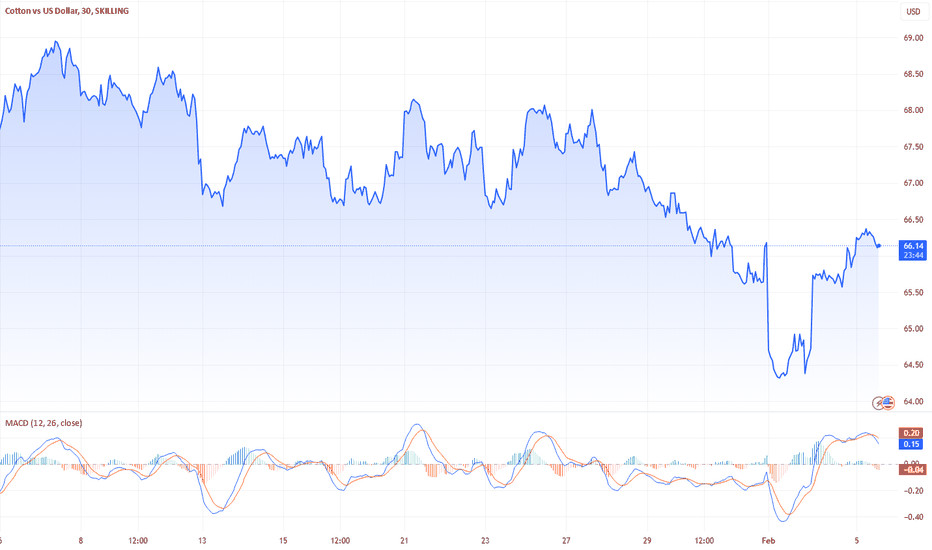
On a global scale, ending stocks of cotton are expected to expand significantly in 2025, primarily due to robust production gains in key exporting countries such as India, Brazil, and Australia. These increases come amid relatively stable consumption levels, leading to an oversupply situation that could weigh on international prices. The USDA forecasts global cotton ending stocks to reach their highest levels since 2018, with China remaining the largest holder of reserves.
This surplus poses both opportunities and risks for the U.S. cotton industry. On one hand, abundant supplies may provide buyers with greater flexibility in sourcing decisions, potentially benefiting American exporters through competitive pricing. On the other hand, excessive inventory can suppress global benchmarks, reducing revenue potential for domestic producers reliant on export markets.
Decline in Exports